

Empowering Your Knee Health: Personalized Home-Based Strategies for Fast Knee Pain Relief
Introduction
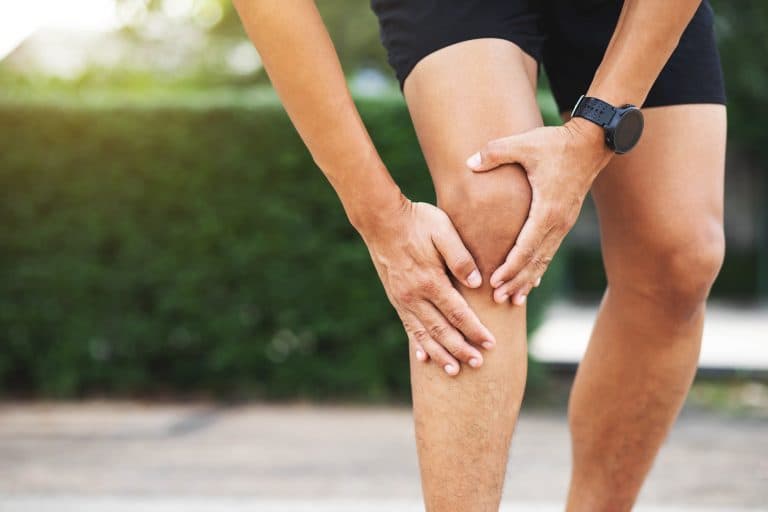
Knee pain is a common challenge that affects millions, making everyday activities harder and often lowering your quality of life. Whether it’s due to aging, injury , or chronic conditions, knee pain can restrict your movement and enjoyment. Many people—especially older adults or those with ongoing knee issues—are searching for simple, safe, and effective ways to manage this discomfort at home. This article explores practical, research-backed strategies to help you quickly relieve knee pain through targeted exercises, natural remedies, and healthy lifestyle changes. These methods put you in control of your knee health—no surgery or costly treatments required.
Understanding Knee Pain and Its Causes
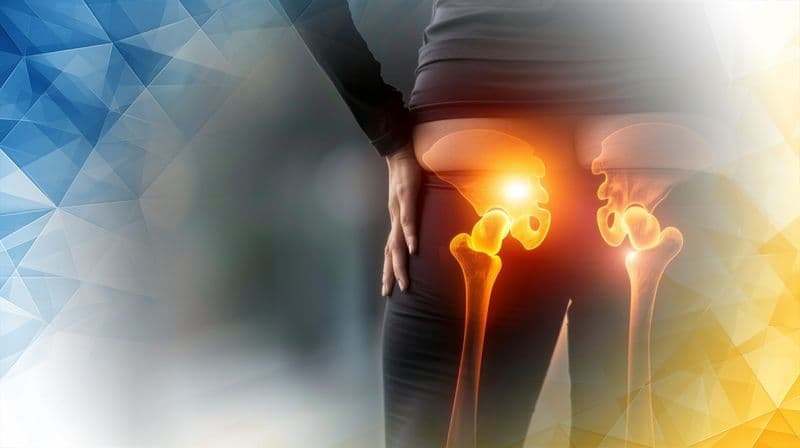
Managing knee pain starts with knowing what causes it. Osteoarthritis is one of the leading culprits—it happens when the cartilage (the smooth tissue that cushions your knee joint ) gradually wears away, leading to pain and stiffness as the bones rub together. Other common causes include injuries from overuse, ligament strains, and general wear and tear that accumulates with age.
These issues typically appear gradually, often thanks to repetitive movements, poor posture, or the natural changes that come with getting older. As cartilage thins or ligaments weaken, you may notice swelling, stiffness, or soreness. The good news: you can address many of these problems at home. Exercises that strengthen your leg muscles, reduce inflammation, and boost flexibility can help ease pain and improve knee function . Home exercise programs, especially when paired with education about your condition, empower you to reduce knee pain naturally and effectively.
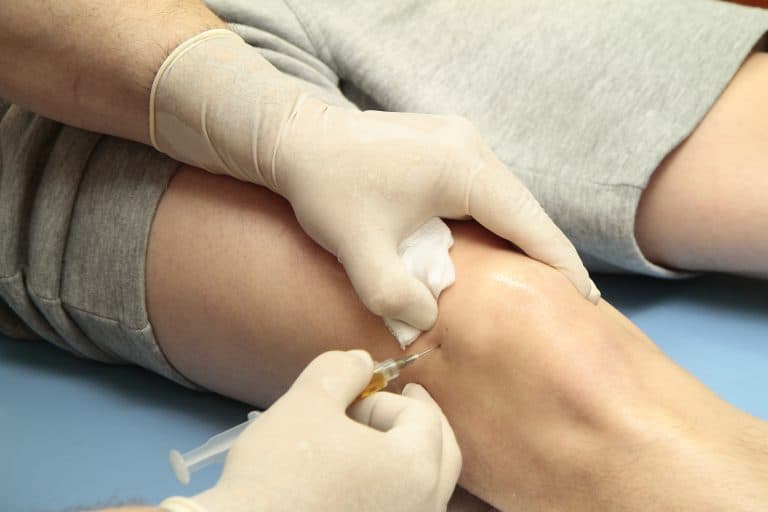
Recent research even supports innovative interventions—like advanced nerve-targeted therapies—that offer significant, lasting relief for knee arthritis. While these medical treatments are an option for some, most people find great benefit from home-based approaches that are accessible, affordable, and rooted in solid evidence.
Why Choose Home-Based, Non-Surgical Treatments?
Non-surgical knee pain treatments are growing in popularity, thanks to their safety, effectiveness, and convenience. Self-guided exercise programs and patient education have been shown in studies to meaningfully reduce pain and improve knee function . Not only do these conservative measures help you feel better, but they can also prevent or delay the need for surgery.
Home-based strategies are particularly helpful for seniors and anyone seeking gentle, sustainable ways to care for their knees . Many people experience lasting pain relief by combining regular exercise, healthy lifestyle adjustments, and natural therapies like heat or cold packs. Staying informed about new research ensures your self-care plan evolves for the best results. Taking charge of your knee health through these methods can boost your confidence and help you stay active.
Clinical studies are encouraging—patients with chronic knee pain who follow comprehensive management plans often see significant improvements in both pain levels and daily function. The key takeaway? Safe, simple home approaches are highly effective for many people.
Effective Home Exercises to Relieve Knee Pain
Exercise is essential for relieving knee pain and keeping your joints healthy. Strengthening the muscles surrounding your knees —especially your quadriceps (front thigh), hamstrings (back thigh), and calves—builds a strong support system for the knee joint , reducing stress and injury risk.
Try incorporating simple exercises such as straight leg raises, wall sits, and gentle hamstring stretches into your routine. These moves improve muscle strength and joint flexibility, which can lower pain and stiffness over time. Consistency matters most; even a few minutes per day can lead to real improvements.
Learning how to safely strengthen your knees is vital to lasting relief. Research-backed exercise programs show that physical activity can manage pain and boost knee function for the long haul. If you have had knee surgery or other procedures, continue with medically recommended exercises as part of your recovery plan.
Free non-medical discussion
Not sure what to do next?
Information only · No medical advice or diagnosis.
Lifestyle Changes to Support Knee Health
Exercise is powerful, but combining it with smart lifestyle choices gives the best results. Maintaining a healthy weight is especially important—excess pounds put extra strain on your knees and can speed up cartilage wear. Even a modest weight loss can make a noticeable difference in pain and mobility.
Pay attention to your sleep positions, too. Some ways of lying in bed (like placing a pillow between your knees if you’re a side sleeper) can ease pressure and nighttime discomfort, which is common, especially in women.
Applying a cold pack can reduce swelling and inflammation after activity, while a warm pack can help loosen stiff or tight muscles. Be mindful to avoid certain high-impact exercises or repetitive movements that worsen your pain—if an activity hurts, skip it until you feel better.
If you want to avoid major interventions like knee replacement surgery , pairing these lifestyle changes with regular exercise is a balanced and proactive way to protect your knees and stay comfortable day to day.

Personalizing Your Knee Pain Management Plan
Knee pain is not one-size-fits-all, so tailor your routine to your unique needs. Adjust exercises, activity levels, and daily habits based on how your knees feel, your overall health, and your personal goals. Keeping a journal or using an app to track progress can help you safely increase activity while avoiding new injuries.
If your home strategies aren’t enough, or if pain gets worse, don’t wait to consult a healthcare provider. Professional guidance ensures you’re not missing another cause and can introduce advanced treatments if needed. Modern options—like remotely supervised physical therapy —blend expert help with the flexibility of home care.
By taking an active, personalized approach and seeking support as needed, you can regain knee function, reduce pain, and focus on living your best life.
Conclusion
Knee pain doesn ’t have to limit your life. With a personalized, home-based plan—including targeted exercise, natural remedies, and healthy lifestyle changes—you can achieve fast and lasting relief. Understanding your unique knee condition and taking consistent action puts you back in control, helping you move more freely and enjoy your favorite activities again. If pain persists or worsens, reach out to a healthcare professional for extra support. Start your journey toward healthier knees today—you deserve to feel your best.
References
Eshraghi, Y., Khan, R., Said, O., Velasco‐Gonzalez, C., & Guirguis, M. (2021). Cooled radiofrequency ablation of the genicular nerves for treatment of chronic knee pain. Regional Anesthesia & Pain Medicine, 46(8), 735-736. https://doi.org/10.1136/rapm-2020-101502
Hunter, C., Davis, T., Loudermilk, E., Kapural, L., & DePalma, M. J. (2019). Cooled radiofrequency ablation treatment of the genicular nerves in the treatment of osteoarthritic knee pain: 18‐ and 24‐month results. Pain Practice, 20(3), 238-246. https://doi.org/10.1111/papr.12844
Korean Knee Society. (2012). Guidelines for the management of postoperative pain after total knee arthroplasty. Knee Surgery and Related Research, 24(4), 201-207. https://doi.org/10.5792/ksrr.2012.24.4.201
Legal & Medical Disclaimer
This article is written by an independent contributor and reflects their own views and experience, not necessarily those of London Cartilage Clinic. It is provided for general information and education only and does not constitute medical advice, diagnosis, or treatment.
Always seek personalised advice from a qualified healthcare professional before making decisions about your health. London Cartilage Clinic accepts no responsibility for errors, omissions, third-party content, or any loss, damage, or injury arising from reliance on this material.
If you believe this article contains inaccurate or infringing content, please contact us at [email protected].
London Cartilage Clinic
Ready to explore your options?
Our consultant-led team specialises in cartilage repair, regeneration and replacement — tailored to your diagnosis and long-term goals.
Will the Arthrosamid work for me
PAAG-8+ Questionnaire
A bright, structured entry point for patients exploring Arthrosamid. The questionnaire helps frame suitability, expectations, and 24-month clinical benefit discussion before a fuller consultant-led review.
Designed for shared decision-making. It does not replace specialist consultation, examination, imaging review, or formal medical advice.